Introduction to Trezor and Hardware Wallets
What Trezor is
Importance of hardware wallets for crypto security
Getting Started: Trezor.io/start
Purpose of the website
Supported devices
Setting Up Your Trezor
Step-by-step setup guide
Safety precautions
Creating a secure PIN
Recovery and Backup
Importance of recovery seed
How to store it safely
Restoring your wallet
Using Your Trezor
Sending and receiving crypto
Managing multiple cryptocurrencies
Using Trezor Suite
Security Features
Physical security
Passphrase usage
Firmware updates
Common Mistakes to Avoid
Scams and phishing
Sharing your recovery seed
Buying hardware wallets from unofficial sources
Advanced Features
Third-party integrations
Crypto apps and tokens
Multi-signature wallets
Troubleshooting and Support
Common setup issues
Accessing official Trezor support
Conclusion
Why Trezor is a reliable choice
Encouragement to stay safe with crypto
Full 2,000-Word Content:
Trezor.io/start: Your Complete Guide to Setting Up a Secure Cryptocurrency Wallet
Cryptocurrency has become one of the most talked-about innovations in finance over the last decade. With the rise of Bitcoin, Ethereum, and thousands of other cryptocurrencies, safeguarding your digital assets is more critical than ever. While exchanges offer storage solutions, they are often vulnerable to hacking and fraud. That’s where hardware wallets like Trezor come in. They allow users to store their cryptocurrencies offline, providing unmatched security. For anyone new to Trezor, the first step is visiting trezor.io/start. This guide will walk you through everything you need to know—from setup to advanced features—so you can securely manage your crypto.
1. Introduction to Trezor and Hardware Wallets
Trezor, launched in 2014 by SatoshiLabs, was the world’s first cryptocurrency hardware wallet. Unlike software wallets or exchange wallets, Trezor stores your private keys offline, making it nearly impossible for hackers to access your assets remotely. Think of it as a USB device that holds the keys to your cryptocurrency vault. Even if your computer is infected with malware, your funds remain safe on your Trezor device.
There are two main Trezor devices currently: Trezor One and Trezor Model T. Both are designed with robust security features, though Model T includes additional functionalities such as a touchscreen and support for more cryptocurrencies. Choosing a hardware wallet is a critical decision, and Trezor is one of the most trusted options globally.
2. Getting Started with Trezor.io/start
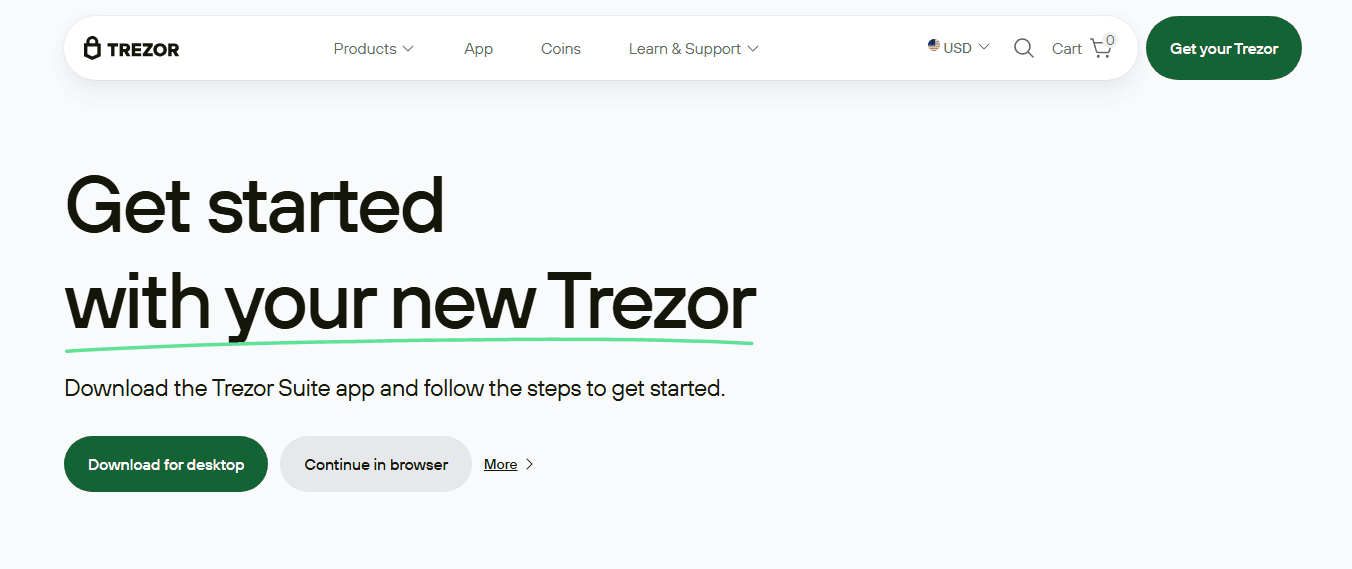
The first step after purchasing a Trezor device is visiting trezor.io/start. This official webpage guides you through downloading the Trezor Suite app, connecting your device, and initializing it securely. The site also provides official instructions, firmware updates, and links to educational resources. Using Trezor.io/start ensures that you are interacting with the official Trezor software rather than potentially malicious third-party websites.
Trezor.io/start supports all Trezor devices and is compatible with major operating systems, including Windows, macOS, and Linux. You’ll also find browser options for those who prefer managing their wallet online.
3. Setting Up Your Trezor Device
Once your device arrives, follow these steps for a secure setup:
Step 1: Inspect the Device
Before connecting your Trezor, check for any signs of tampering. Trezor devices come in sealed packaging. If the seal is broken or looks unusual, contact the seller immediately.
Step 2: Connect to Trezor Suite
Go to trezor.io/start and download Trezor Suite, the official desktop or web app. Connect your device to your computer using the supplied USB cable.
Step 3: Initialize the Device
Trezor Suite will guide you through the initialization process. You will create a PIN code, which prevents unauthorized access to your wallet. Make sure your PIN is unique and not easily guessable.
Step 4: Generate Your Recovery Seed
Your recovery seed is a set of 12–24 words generated by the device. It is the master key to your wallet and funds. Write it down carefully on the provided recovery card and store it in a secure, offline location. Never take a photo or store it digitally, as this increases the risk of theft.
Step 5: Confirm the Recovery Seed
Trezor will ask you to verify your seed by selecting words in the correct order. This ensures you have backed it up correctly.
4. Recovery and Backup
The recovery seed is the most important security feature of Trezor. It allows you to recover your wallet if the device is lost, stolen, or damaged. Keep these tips in mind:
Store it offline: Use a fireproof safe or secure location.
Never share it: Trezor staff or anyone else will never ask for your seed.
Consider a backup: For additional security, you can store a copy in a separate secure location.
To restore your wallet, simply select the “Recover Wallet” option in Trezor Suite and enter your seed words. Your accounts, balances, and transaction history will be restored.
5. Using Your Trezor Wallet
After setup, your Trezor is ready for use. Here’s what you can do:
Sending and Receiving Cryptocurrency
Use Trezor Suite to send or receive crypto. Enter the recipient’s address and confirm the transaction on your device. The PIN and device confirmation ensure the transaction is secure.
Managing Multiple Cryptocurrencies
Trezor supports over 1,000 cryptocurrencies, including Bitcoin, Ethereum, Litecoin, and many ERC-20 tokens. You can create multiple wallets for different coins, all secured on the same device.
Using Trezor Suite
Trezor Suite is a user-friendly interface that lets you view balances, manage accounts, and check transaction history. It also allows firmware updates, passphrase management, and integration with third-party apps like DeFi platforms.
6. Security Features
Trezor is designed with security in mind:
Physical Security: Transactions must be confirmed on the device itself.
Passphrase Protection: For extra security, you can use a passphrase in addition to your recovery seed. This functions like a second wallet layer.
Firmware Updates: Regular updates improve device security and functionality. Always update through Trezor Suite.
7. Common Mistakes to Avoid
New users often make mistakes that compromise security:
Falling for phishing scams: Only use official Trezor websites.
Sharing the recovery seed: No legitimate support will ever ask for it.
Buying from unofficial sources: Only purchase directly from Trezor or authorized resellers.
Avoiding these mistakes ensures your funds remain safe.
8. Advanced Features
Trezor also offers advanced features for experienced users:
Third-Party Integrations: Connect with wallets like Electrum or DeFi platforms.
Crypto Apps: Manage a wide range of tokens and coins.
Multi-Signature Wallets: Require multiple approvals for transactions, adding extra security.
9. Troubleshooting and Support
If you encounter problems during setup or usage:
Check Trezor.io/start for official guides and firmware updates.
Trezor Support: Use the official support channels for help. Never share your recovery seed.
Community Forums: Trezor’s community provides additional advice and tips.
10. Conclusion
Trezor.io/start is the official gateway to securing your cryptocurrency with a Trezor hardware wallet. By following the setup instructions, using the recovery seed safely, and staying vigilant against scams, you can protect your digital assets from theft and loss. Trezor remains one of the most trusted names in crypto security, providing peace of mind in an often unpredictable market.
Investing in a hardware wallet is not just a choice—it’s a commitment to protecting your financial future. With Trezor and the official guidance on trezor.io/start, you can confidently manage your cryptocurrency securely and efficiently.