Trezor.io/start: The Complete Guide to Securing Your Cryptocurrency
Cryptocurrency is transforming how we think about money, offering decentralized solutions to traditional banking. But with great opportunity comes great responsibility. Owning crypto means owning the keys to your funds—and if those keys are lost, stolen, or exposed, your assets can vanish in an instant. That’s where Trezor, one of the most trusted hardware wallets, comes in.
The official Trezor.io/start page guides new users in setting up their Trezor devices safely and effectively. Whether you are buying Bitcoin for the first time or managing multiple cryptocurrencies, this guide will walk you through everything you need to know about Trezor—from setup to advanced security measures.
1. What Is Trezor and Why It Matters
Trezor is a hardware wallet designed to store your cryptocurrency private keys offline. Unlike software wallets or exchange wallets, which can be hacked online, Trezor keeps your keys in a secure, physical device. Think of it as a vault that is almost impossible for hackers to access without the physical device itself.
Key Benefits of Trezor:
Offline Security: Private keys never leave the device.
User-Friendly Interface: Easy to manage even for beginners.
Support for Multiple Cryptocurrencies: Over 1,000 coins and tokens.
Trusted Brand: Developed by SatoshiLabs, pioneers in crypto hardware wallets.
There are two main Trezor devices:
Trezor One: A reliable, entry-level device supporting major cryptocurrencies.
Trezor Model T: Premium device with a touchscreen, additional coin support, and advanced features.
For anyone serious about cryptocurrency security, using a hardware wallet like Trezor is essential.
2. Getting Started with Trezor.io/start
Once you purchase your Trezor device, the first step is to visit Trezor.io/start. This official webpage is the safest place to begin setup, download necessary software, and learn about your device’s features.
What You’ll Find on Trezor.io/start:
Download Trezor Suite: The official desktop and web application.
Setup Guides: Step-by-step instructions tailored for your device.
Firmware Updates: Ensures your device is running the latest security software.
Educational Resources: Learn best practices for securing crypto.
Using this official site guarantees that you avoid phishing sites or scams, which are common in the crypto world.
3. Unboxing and Inspecting Your Trezor Device
Before connecting your Trezor to your computer, take time to inspect it carefully. Security starts before setup.
Check the Packaging: The box should be sealed and show no signs of tampering.
Examine the Device: Look for scratches, unusual marks, or signs that it has been opened.
Confirm Accessories: Your Trezor comes with a USB cable, recovery card, and instruction materials.
If anything looks suspicious, contact the official seller immediately.
4. Setting Up Your Trezor Wallet
Step 1: Connect Your Device
Use the supplied USB cable to connect your Trezor to your computer.
Open the Trezor Suite application from trezor.io/start.
Step 2: Initialize Your Device
Follow on-screen instructions to begin setup.
Choose whether to create a new wallet or recover an existing one.
Step 3: Set a Secure PIN
The PIN protects your device from unauthorized access.
Choose a unique PIN—avoid obvious combinations like
1234or birthdays.Each time you enter your PIN, the layout of numbers may shuffle to prevent pattern tracking.
Step 4: Generate a Recovery Seed
The recovery seed is the most important security feature of your Trezor. It’s a set of 12–24 words that can restore your wallet if your device is lost or stolen.
Best Practices for Recovery Seed:
Write it down on the provided recovery card.
Store it in a secure, offline location, like a safe.
Never photograph or store it digitally.
Never share it with anyone, even Trezor support.
Step 5: Confirm Your Recovery Seed
Trezor will ask you to confirm your seed words by selecting them in the correct order.
This ensures that you have properly backed up your wallet.
5. Using Your Trezor Wallet
Once your wallet is set up, you can start using it to manage your cryptocurrency safely.
Sending and Receiving Cryptocurrency
To receive crypto, share your wallet’s address.
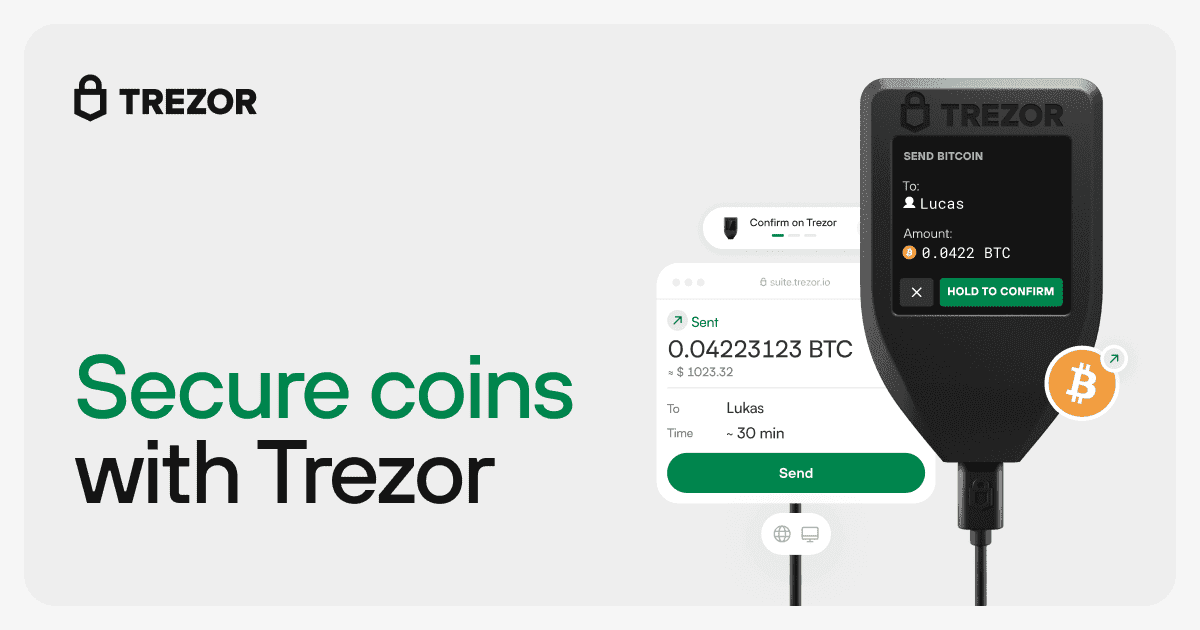
To send crypto, enter the recipient’s address in Trezor Suite, confirm the transaction on your device, and complete it securely.
Every transaction requires device confirmation, which prevents malware from sending unauthorized funds.
Managing Multiple Cryptocurrencies
Trezor supports over 1,000 cryptocurrencies, including Bitcoin, Ethereum, and many ERC-20 tokens.
You can manage multiple accounts within the Trezor Suite interface.
Using Trezor Suite
Trezor Suite is a desktop and web application that allows you to view balances, manage accounts, check transaction history, and perform firmware updates.
You can also integrate third-party applications for DeFi or NFT management.
6. Advanced Security Features
Trezor includes multiple layers of protection to keep your funds safe.
Physical Security
Transactions require manual confirmation on the device.
Unauthorized access is nearly impossible without the physical device.
Passphrase Protection
You can create an optional passphrase in addition to your recovery seed.
This acts as a “hidden wallet” for added privacy and security.
Firmware Updates
Regular updates enhance security and add new features.
Always update through Trezor Suite to avoid phishing attacks.
7. Common Mistakes to Avoid
Even with a secure device, mistakes can compromise your crypto. Avoid these common pitfalls:
Sharing Your Recovery Seed: No one, including Trezor staff, should ever ask for it.
Using Third-Party Websites: Always use trezor.io/start for setup and updates.
Buying from Unofficial Sources: Only purchase from Trezor or authorized resellers.
Ignoring Firmware Updates: Updates are critical for security.
By staying vigilant, you reduce the risk of losing your assets.
8. Recovery and Backup
Your recovery seed is the ultimate backup. Without it, losing your device could mean losing access to your funds forever.
How to Restore a Wallet
Select “Recover Wallet” in Trezor Suite.
Enter your recovery seed words in the correct order.
Your accounts, balances, and transaction history will be restored.
Storing Your Recovery Seed Safely
Keep it offline and fireproof if possible.
Consider storing a secondary backup in a separate secure location.
Treat it like the master key to your crypto vault.
9. Advanced Features
Trezor is not just a storage device—it’s a powerful platform for managing crypto.
Third-Party Integrations
Trezor can integrate with wallets like Electrum or crypto exchanges for advanced functionality.
Multi-Signature Wallets
Multi-sig wallets require multiple approvals for transactions, adding extra layers of security.
Token Management and DeFi
Trezor supports ERC-20 tokens, NFTs, and connections to DeFi platforms.
You can manage all assets securely through the Trezor Suite or compatible apps.
10. Troubleshooting and Support
Even experienced users can encounter setup or usage issues. Here’s how to solve them safely:
Use Trezor.io/start: Official setup guides and firmware updates.
Contact Official Support: Never share your recovery seed.
Community Forums: Helpful for non-critical tips and general advice.
11. Why Trezor Is a Trusted Choice
Trezor has earned a reputation for security, reliability, and innovation. With features like offline storage, passphrase protection, and recovery seed backup, it provides peace of mind for cryptocurrency holders.
Using Trezor means:
Your crypto is secure from online attacks.
You retain full control of your funds.
You gain access to advanced crypto management tools.
12. Conclusion
Visiting Trezor.io/start is the first step toward securing your cryptocurrency with confidence. By following the official setup guide, protecting your recovery seed, and using the device responsibly, you can ensure your assets remain safe in an increasingly digital financial world.
Hardware wallets like Trezor are more than a convenience—they are a necessity for anyone serious about cryptocurrency security. With proper use, Trezor allows you to take full control of your funds while avoiding the common pitfalls of digital currency management.